

Leaves in Your Garage Door Tracks? A Fall Cleanup Guide for Independence, MO
Independence has a lot of mature trees, and late October into November is when they let go. Here’s what the leaves do to a garage door, how to clean the tracks safely, and when it’s time to call a professional.
What Fallen Leaves Do to a Garage Door
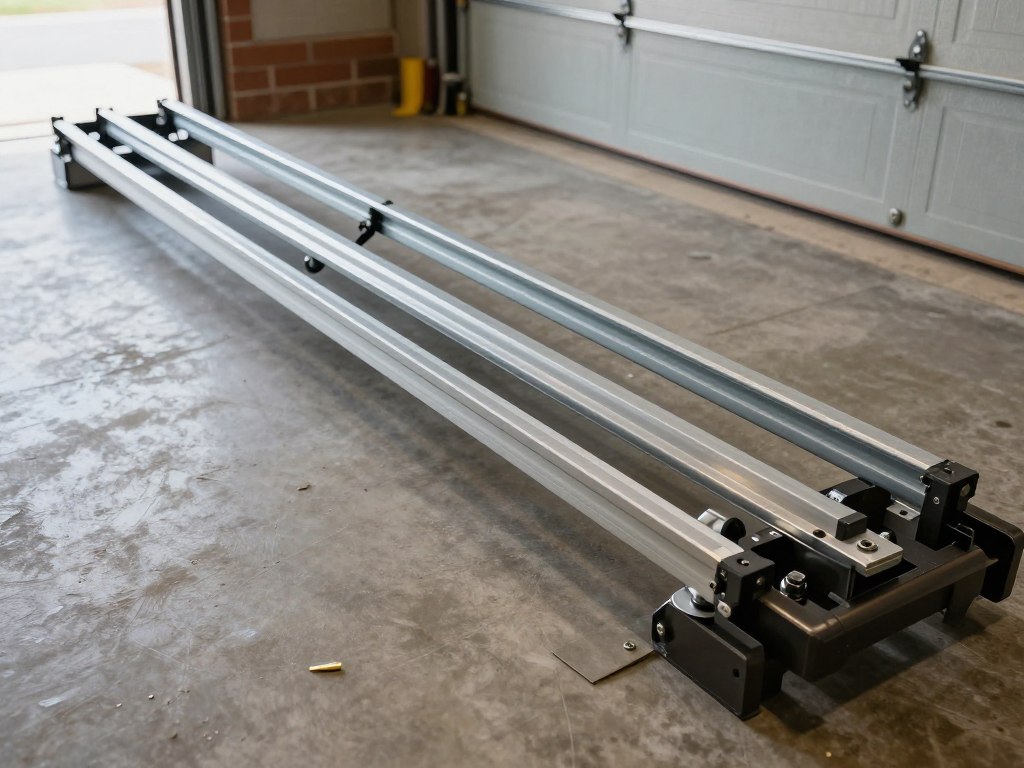
Every time your door opens, wind pulls leaves and debris into the garage. Some of it settles in the low curve of each track, right where the rollers travel. Here’s what happens next:
- Rollers bind and skip. Packed leaves and grit make the rollers drag or jump instead of rolling smoothly. You’ll hear scraping or popping, and the door may shudder as it moves.
- The opener works harder. A door that drags in its tracks puts extra strain on the opener, and over time on the springs and cables.
- The safety sensors get blocked. The two small photo-eye sensors near the bottom of the tracks need a clear line of sight. A pile of leaves or a single wet leaf stuck to a lens can make the door reverse every time you try to close it.
- The bottom seal can’t do its job. Debris on the floor under the door leaves a gap that lets in cold air, rain and mice looking for a warm place to spend the winter.
- Wet leaves freeze. Once nights drop below freezing, damp leaves can freeze the bottom seal to the floor, and forcing the door open can tear the seal or strain the opener.
Where Independence Gets Hit Hardest
Every neighborhood gets leaves, but some get a lot more than others:
- Around the Truman Home. The older, tree-lined streets near the Truman Home and the Delaware Street historic district have some of the biggest trees in town, and their garages tend to be older, with less clearance around the tracks.
- Englewood and Fairmount. These established western Independence neighborhoods have mature street trees and plenty of older detached garages, where leaves blow straight in under the door.
- Homes near parks and trails. Houses that back up to green space, such as those near George Owens Nature Park or along the Little Blue Trace Trail, see a steady supply of leaves, twigs and seed pods all season.
If your street is lined with oaks or maples, plan on checking the tracks more often than the once-a-month most homeowners need.
How to Clean Your Garage Door Tracks Safely
This is a simple job you can do yourself. It takes about 15 minutes.
- Close the door and unplug the opener. That way nobody can start the door while your hands are near the tracks.
- Sweep the floor and threshold. Clear the leaves and grit where the bottom seal meets the floor, inside and out.
- Clean out the lower tracks. Use a soft brush or a shop vacuum to pull leaves and dirt out of the curved bottom section of each track, then wipe the inside of the track with a dry or slightly damp cloth.
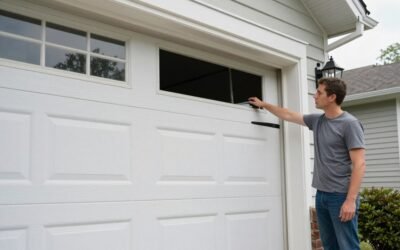
- Wipe the safety sensors. Gently clean both photo-eye lenses with a soft, dry cloth and clear away cobwebs and leaves around them.
- Check the bottom seal. Look for tears, cracks or gaps that let leaves and cold air in.
- Lubricate the moving parts, not the tracks. Use a garage door lubricant on the hinges, roller bearings and springs. Don’t grease the tracks themselves, because grease there only collects more leaves and grit.
- Plug the opener back in and test it. Run the door up and down and watch for smooth movement. Then test auto-reverse by placing a roll of paper towels under the door: it should reverse as soon as it touches it.
Leave these to a professional
Don’t try to bend, loosen or realign the tracks, and never adjust the springs, cables or the brackets at the bottom of the door. They hold serious tension and can cause injury.
When Cleaning Isn’t Enough
If the door still scrapes, shudders or reverses after you’ve cleaned the tracks and sensors, something else is going on. Call for service if you notice:
- A bent or dented track, or rollers that have come out of the track
- Worn, cracked or wobbly rollers
- Frayed cables or a gap in a spring coil
- A door that hangs crooked or feels very heavy
- Sensors that still blink or won’t stay aligned
For the rest of your fall prep, see our fall garage door checklist for Independence homeowners. If the door suddenly stops working, our guide to why a garage door won’t move covers the most common causes, and how ice affects your garage door explains what to watch for once winter arrives.
Garage Door Repair in Independence
Arrowhead Door Co. is a family-owned garage door company based in Independence since 1986. We fix bent tracks, replace worn rollers, realign sensors, and replace bottom seals and weatherstripping, and our trucks carry the parts to finish most repairs on the first visit. Learn more about garage door repair in Independence, or if your door is stuck open or off its track, call our 24/7 emergency garage door repair line.
Frequently Asked Questions
How often should I clean leaves out of my garage door tracks?
During leaf season, check the tracks and sensors every week or two, and more often if you live on a street with big trees. The rest of the year, once a month is usually enough.
Should I lubricate garage door tracks?
No. Lubricate the hinges, roller bearings and springs, but keep the tracks clean and dry. Grease in the tracks collects leaves and grit and makes the rollers drag.
Why does my garage door go back up when I try to close it?
Most often the safety sensors near the floor are blocked or dirty. In the fall, leaves and cobwebs are common culprits. Clean the lenses and clear the area in front of them. If it keeps happening, the sensors may be misaligned.
Can leaves damage my garage door?
Leaves alone rarely break anything, but packed debris makes the rollers drag and the opener strain, and wet leaves can freeze the bottom seal to the floor. Over a season, that extra wear adds up.
Door Still Scraping or Reversing?
Call Arrowhead Door Co. for garage door track, roller and sensor repair in Independence and across the Kansas City metro. The best garage door locally owned company in Independence.