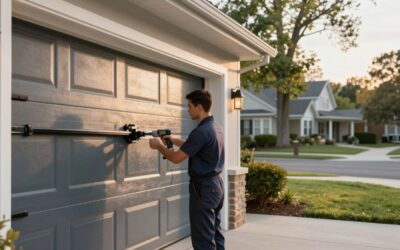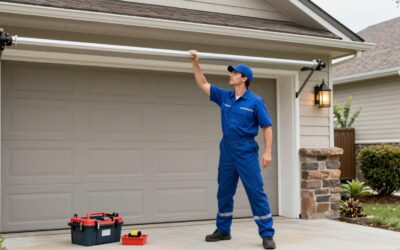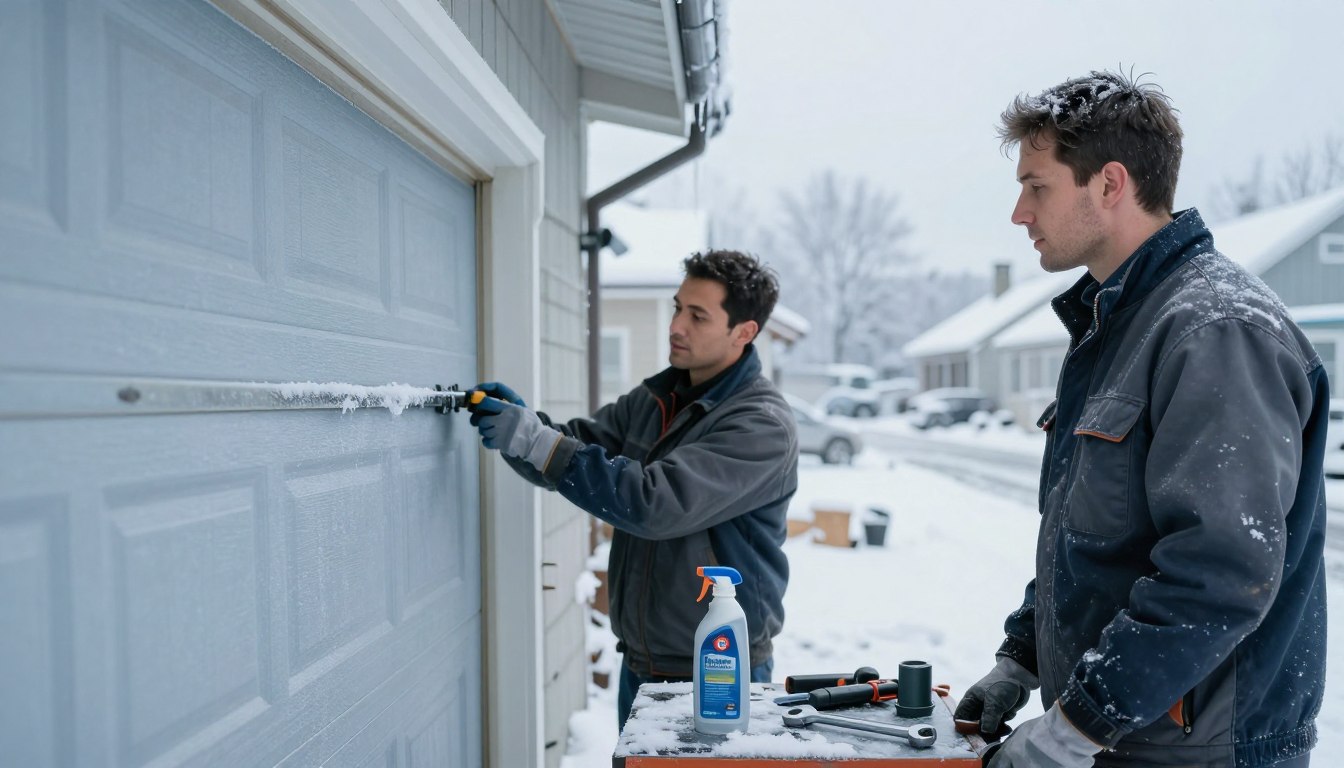
As the temperature drops, you may start to notice issues with your garage door. Winter cold can be harsh on your door, causing it to become stiff and difficult to open. With 40 years of experience in garage door repair, Arrowhead Door Co knows the importance of maintaining your door during the cold winter months.
Failing to maintain your garage door can lead to costly repairs and even safety hazards. You can take steps to protect your door and ensure it continues to function properly throughout the winter.
Key Takeaways
- Winter cold can cause your garage door to become stiff and difficult to open.
- Regular maintenance is crucial to prevent costly repairs.
The Winter Threat to Your Garage Door
Winter’s chill isn’t just a seasonal change; it’s a threat to the integrity and functionality of your garage door. Cold temperatures can cause materials to contract, lubricants to thicken, and weather seals to deteriorate, leading to a range of issues that can impact how your garage door performs and lasts.
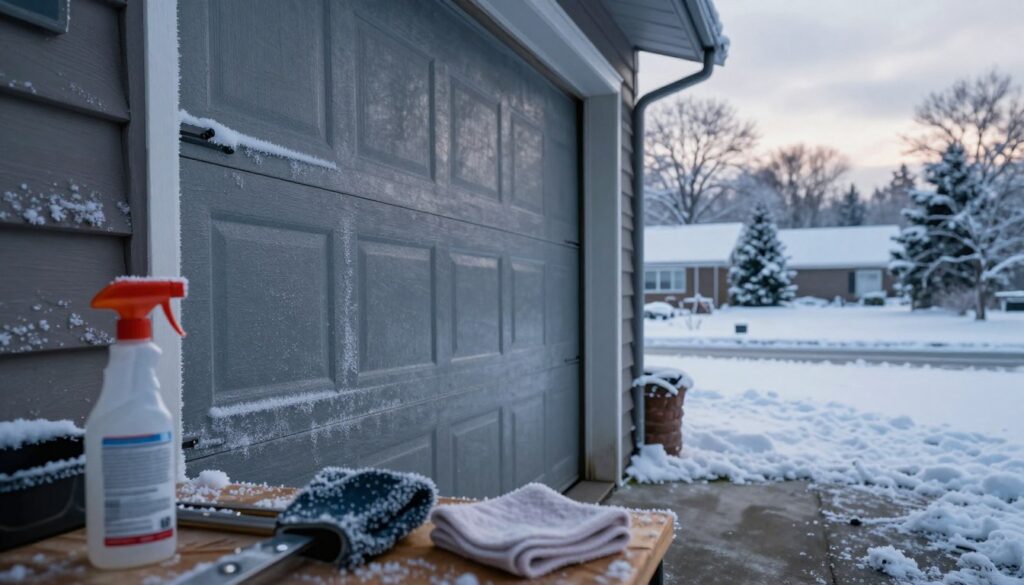
Understanding these risks is crucial for preventing winter damage to garage doors and ensuring your garage door remains functional throughout the cold season.
Why Garage Doors Are Vulnerable in Cold Weather
Garage doors are particularly susceptible to cold weather due to the materials used in their construction. Metal components can contract, causing misalignment and stress on the door’s operating system. The cold can also affect the lubrication of moving parts, leading to increased wear and tear.
Common Signs of Winter-Related Garage Door Problems
Some common signs that your garage door is experiencing winter-related issues include difficulty opening or closing, loud noises during operation, and visible signs of wear or damage on the door and its components. Being aware of these signs can help you identify potential problems early, allowing for timely maintenance and repairs.
Understanding the Damage Done to Garage Doors by Winter Cold
As winter sets in, the cold weather can wreak havoc on your garage door, causing damage that may lead to costly repairs if not addressed promptly. The cold temperatures can affect various components of your garage door, leading to issues that compromise its functionality and longevity.
Metal Components and Contraction Issues
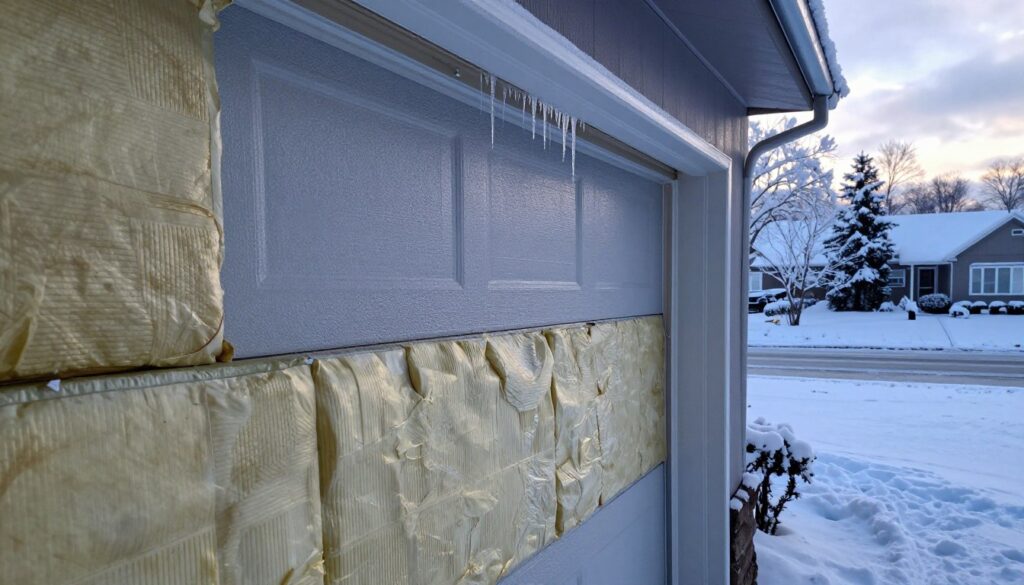
Metal components of your garage door, such as the frame and springs, can contract in cold weather. This contraction can lead to misalignment and stress on the door’s structure, potentially causing it to become stuck or difficult to open. Regular inspection and maintenance can help mitigate these issues by ensuring that all metal parts are in good condition.
Lubrication Problems in Freezing Temperatures
Cold weather can cause the lubricants used on garage door hinges and rollers to thicken or freeze, leading to increased friction and wear on these parts. Using a lubricant suitable for cold weather can help keep your garage door operating smoothly. It’s also essential to check the lubrication levels regularly during the winter months.
Weather Seal Deterioration
The weather seal around your garage door can deteriorate in cold weather, becoming brittle and cracked. This deterioration can allow cold air to seep into your garage, increasing heating costs and potentially causing other issues like ice formation. Inspecting and replacing the weather seal as needed can help maintain a tight seal and prevent cold air infiltration.
How Cold Weather Affects Garage Door Springs and Cables
Cold weather can significantly impact the functionality of your garage door, particularly its springs and cables. As temperatures drop, the metal components of your garage door undergo contraction, which can lead to increased tension in the springs and stress on the cables.
Spring Tension Changes in Low Temperatures
In low temperatures, the metal springs contract, potentially leading to increased tension. This heightened tension can cause the springs to become more prone to breaking. Regular inspection and maintenance are crucial to prevent spring failure during cold weather.
Cable Stress and Potential Failure Points
Cold weather also affects the cables, making them more susceptible to stress and potential failure. The contraction of metal components can cause the cables to become brittle, increasing the risk of snapping. Ensuring that cables are properly lubricated and inspected can help mitigate these risks.
By understanding how cold weather affects garage door springs and cables, you can take proactive steps to maintain your garage door’s functionality and safety throughout the winter months.
Winter’s Impact on Garage Door Openers and Motors
As winter sets in, your garage door opener and motor face a new set of challenges. The cold weather can significantly affect their performance and longevity. It’s essential to understand these impacts to take appropriate measures.
Motor Strain in Cold Conditions
Cold temperatures can cause the motor to work harder, leading to increased strain. This strain can result in reduced efficiency and potentially cause the motor to fail prematurely. Regular maintenance, such as lubrication, can help mitigate this risk.
Electronic Component Sensitivity to Temperature Fluctuations
Electronic components within the garage door opener are sensitive to temperature fluctuations. Extreme cold can cause these components to malfunction or degrade faster. Ensuring that your garage door opener is properly winterized can help protect these components.
To winterize your garage door effectively, consider having a professional inspect and maintain your garage door opener and motor. This can include checking for worn-out parts, ensuring proper lubrication, and adjusting the opener’s settings for optimal performance in cold weather.
Preventative Maintenance to Protect Your Garage Door
To ensure your garage door functions properly during the cold months, some preventative measures are necessary. Winter can be particularly harsh on garage doors, causing wear and tear that may lead to costly repairs if not addressed.
Pre-Winter Inspection Checklist
Before winter sets in, inspect your garage door for any signs of damage or wear. Check the door’s balance, ensuring it opens and closes smoothly. Look for any dents, rust, or corrosion on the door and its components. Verify that the garage door opener is working correctly and that the safety sensors are aligned and functioning properly.
Proper Lubrication Techniques for Cold Weather
Lubrication is crucial for maintaining your garage door’s moving parts, especially during cold weather. Use a silicone-based lubricant to grease the hinges, rollers, and springs. Avoid using WD-40 or other petroleum-based products, as they can attract dirt and grime. Apply lubricant to the garage door opener’s chain or belt as well.
Weather Stripping and Seal Maintenance
Weather stripping around your garage door helps to seal gaps and prevent cold air, moisture, and debris from entering. Inspect the weather stripping for signs of wear or damage. Replace it if necessary. Additionally, check the seals around the garage door and apply a silicone-based sealant to any gaps or cracks.
By following these preventative maintenance tips, you can help protect your garage door from winter damage and ensure it continues to function smoothly throughout the cold season.
Winterizing Your Garage Door: Step-by-Step Guide
To keep your garage door running efficiently and safely, follow this step-by-step guide on winterizing your garage door. Winterizing is not just about maintaining the door’s functionality; it’s also about ensuring your safety and the safety of those around you.
Insulation Options and Installation
Proper insulation is key to maintaining a consistent temperature within your garage, reducing heat loss, and preventing cold air from seeping in. You can choose from various insulation materials, such as foam board or reflective insulation. When installing insulation, ensure it is properly fitted and covers the entire surface of the garage door.
Sealing Gaps and Preventing Drafts
Gaps and drafts around the garage door can let cold air in and warm air out, increasing your energy bills and reducing the door’s efficiency. Use weatherstripping or a garage door seal to seal any gaps between the door and the frame. Regularly inspect the seals for signs of wear and tear, replacing them as needed.
Adjusting Opener Settings for Winter Performance
Cold weather can affect the performance of your garage door opener. Check the opener’s settings and adjust the force and sensitivity as needed to ensure smooth operation. Lubricate the opener’s chain or belt to prevent freezing and maintain its efficiency throughout the winter.
By following these steps, you can ensure your garage door is well-prepared for the winter season, maintaining its performance and longevity.
When to Call Arrowhead Door Co’s Professionals
As winter sets in, your garage door becomes more than just an entry point to your home; it’s a critical barrier against the elements. However, the harsh conditions can take a toll on its functionality. If you notice any issues, it’s crucial to know when to seek professional help to avoid further damage and ensure your garage door operates smoothly throughout the season.
Warning Signs That Require Expert Attention
Several warning signs indicate that your garage door needs professional repair. These include unusual noises during operation, uneven movement, or if the door gets stuck. Additionally, if you notice gaps between the door and the floor or signs of wear on the springs and cables, it’s time to call in the experts. Ignoring these signs can lead to more severe problems, potentially leaving you stranded outside your garage on a cold winter night.
Benefits of 40 Years of Experience in Winter Repairs
Arrowhead Door Co brings 40 years of experience to garage door repairs, ensuring that your door is in capable hands. Our technicians are well-versed in diagnosing and fixing winter-related issues, from frozen seals to malfunctioning openers. With our expertise, you can trust that your garage door will be restored to optimal working condition, providing you with peace of mind and protection from the elements.
Don’t let a malfunctioning garage door disrupt your daily routine. Contact Arrowhead Door Co’s professionals today to schedule a repair and ensure your garage door is winter-ready.
Conclusion: Ensuring Your Garage Door Survives the Winter
As winter sets in, your garage door faces significant challenges, from freezing temperatures to potential mechanical failures. Protecting your garage door in winter is crucial to ensure it operates smoothly throughout the cold season.
By understanding the risks posed by winter cold, such as metal contraction, lubrication issues, and weather seal deterioration, you can take proactive steps to winterize your garage door. Regular maintenance, including proper lubrication techniques and inspecting weather stripping, is key to preventing common winter-related problems.
For complex issues or if you’re unsure about how to perform winter garage door care, consider seeking help from professionals like Arrowhead Door Co, who have 40 years of experience in garage door repair and maintenance. By taking these steps, you can ensure your garage door continues to function reliably, even in the harshest winter conditions.